
Subaru Head Gaskets
Subaru head gaskets are engine sealing parts that sit between the cylinder head and engine block, helping each cylinder hold compression while keeping coolant and oil in separate passages. This Subaru head gasket category is built for repair planning on compatible models such as the Outback, Forester, Legacy, Impreza, Crosstrek, Ascent, and WRX.
Because Subaru Boxer engines use a flat engine layout, the correct gasket must match the bore shape, fluid openings, surface finish, and compressed thickness for that exact application. Genuine OEM parts help support factory-style fitment during a repair where shortcuts can create repeat labor. Browse the available Subaru gasket options to find the right part for your vehicle.
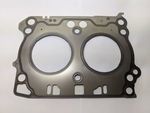
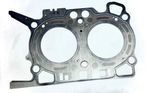
Head Gasket

Head Gasket

Head Gasket


Head Gasket

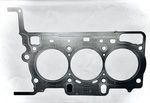
Head Gasket

Head Gasket


Head Gasket
No results found for "head gasket". Here are some helpful search tips:
- Search by a part name. Example: water pump.
- Be less specific. Example: brake instead of ceramic brake.
- Remove information such as make, year or model.
- Can't find the part you are looking for? Contact us and we'll find it for you!
Subaru Head Gaskets for Heat, Pressure, and Engine Sealing
TL;DR: Subaru head gaskets seal combustion pressure while keeping coolant and oil separated inside the engine. For Subaru head gasket replacement, OEM parts help match the original engine design, which is especially important on Boxer engines where both cylinder banks need consistent sealing.
Head gasket shopping usually starts after a warning sign shows up, but the better move is to plan the repair as a full engine sealing job. A Subaru engine head gasket may be needed after repeated temperature spikes, pressure loss, coolant smell, white exhaust smoke, rough startup, or fluid contamination. Some issues are easy to spot. Others only show up after leak-down testing, cooling system pressure testing, or cylinder inspection.
What You May Need With a Head Gasket Repair
This category may include individual Subaru cylinder head gasket options, related Subaru head gasket repair parts, and Subaru head gasket kit style solutions depending on your engine. Since the intake system often has to come apart during this type of work, it is smart to review intake gaskets before finalizing the order. For broader sealing needs, shoppers can also compare related gaskets that may be removed during teardown.
Three Repair Details Many Shoppers Miss
First, a new gasket will not fix a heat problem by itself. If the vehicle has been overheating, inspect cooling parts before reassembly. A partially restricted core, weak cap, or poor coolant circulation can stress the new gasket quickly, so reviewing radiators may help reduce the chance of repeat repair.
Second, spark plug condition can help tell the story. A single plug that looks steam-cleaned, unusually wet, or different from the others may point to coolant entering one cylinder. During diagnosis, spark plugs can provide useful clues before parts are ordered.
Third, surface condition matters as much as the gasket itself. A warped cylinder head, leftover old gasket material, or uneven clamping can affect sealing even with the right part. That is why many technicians confirm flatness and follow the correct torque sequence before calling the job complete.
Why OEM Subaru Fitment Is the Safer Choice
A Subaru OEM head gasket is made around the factory engine layout, including coolant port placement, oil routing, bore spacing, and sealing layer design. Aftermarket parts may be listed for the same model, but small differences in coating, thickness, or opening shape can change how the gasket compresses. With this much labor involved, matching the original design helps reduce fitment risk.
How to Choose the Correct Part
Use the VIN whenever possible, then confirm model year, engine size, trim, and whether the repair covers one side or both cylinder banks. Do not rely on photos alone. Several Subaru gaskets can look nearly identical while using different passage layouts. For high-mileage vehicles already undergoing major service, maintenance items such as cvt transmission fluid may also be reviewed separately as part of the larger service visit.
Key Takeaways
- Subaru head gaskets manage compression, coolant separation, and oil passage sealing.
- Cooling system issues should be checked before the engine is reassembled.
- Intake gaskets and other seals may be needed during teardown.
- VIN-based fitment is the best way to avoid ordering the wrong gasket.
FAQ
What signs point to a Subaru head gasket issue?
Common signs include overheating, coolant loss, white smoke, bubbling in the reservoir, milky oil residue, rough starts, or visible seepage near the head and block area.
Why should I choose a Subaru OEM head gasket?
OEM gaskets are built to match Subaru engine specifications, including sealing thickness, coolant openings, and bore layout. That matters on a repair with significant labor involved.
Do I need other gaskets during the repair?
Often, yes. Intake gaskets and other engine seals may be removed during access, so it is worth checking the full repair list before ordering.
How do I confirm fitment?
Match the part by VIN, model year, trim, and engine size. Exact fitment is important because small passage differences can affect sealing performance.